


CRNA Personal Statement Examples, Active US Air Force Reserves
Updated: Jul 28
Introduction
This personal statement outlines the journey of a dedicated US Air Force Reservist and seasoned flight nurse, focusing on their commitment to advancing in nurse anesthesia. With a strong foundation in critical care and military service, the narrative highlights the applicant's dedication to delivering outstanding patient care and pursuing a career as a Certified Registered Nurse Anesthetist (CRNA). This example serves as an inspiring guide for individuals with military backgrounds applying to CRNA programs.
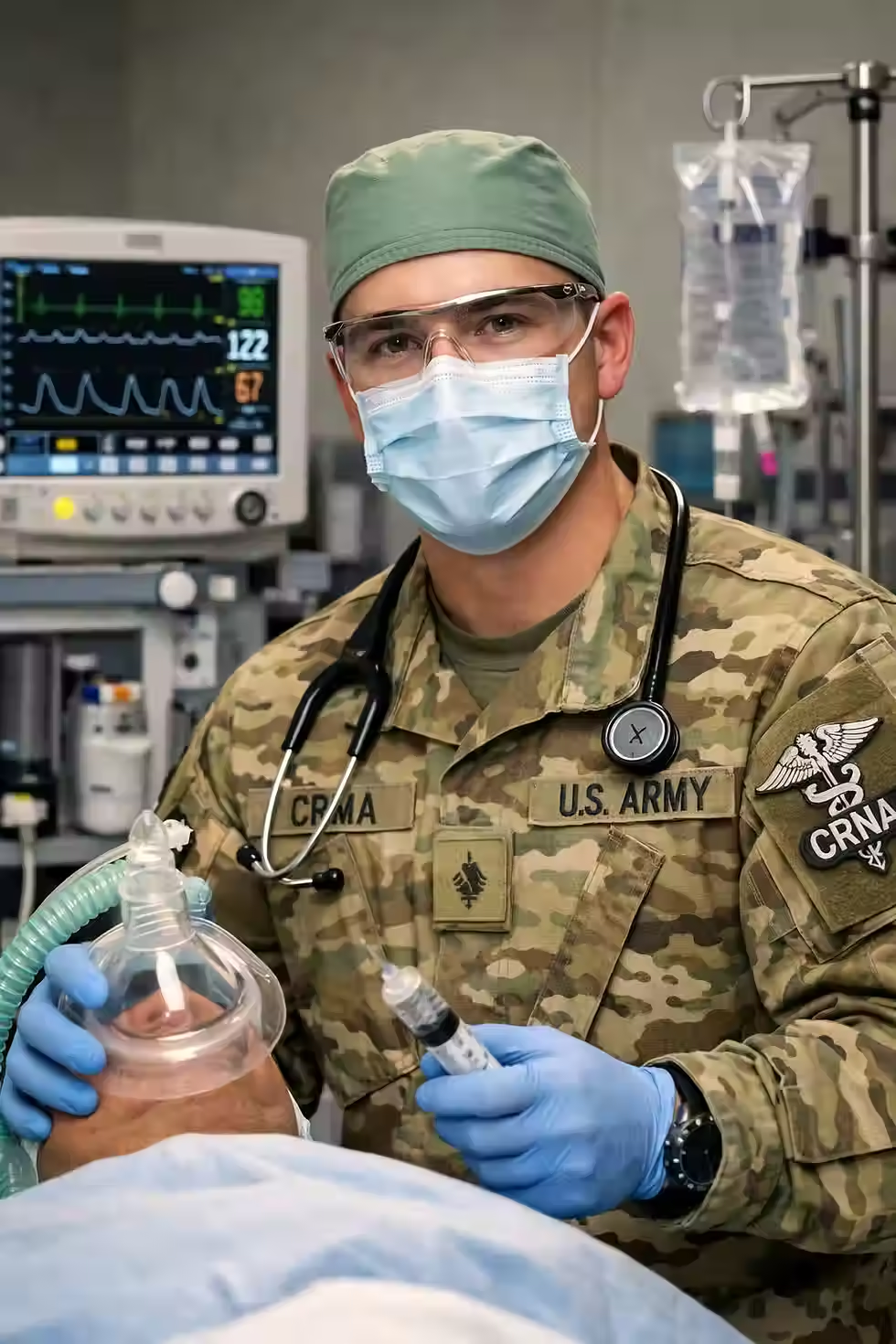
Personal Statement
Background and Motivation
I am an active US Air Force Reservist, and for the last four years, I have worked as a qualified flight nurse in an Air Force Aero-medical Evacuation Squadron. Since qualifying in 1996, I have held various positions in my civil nursing career. I am now eager to apply and expand my extensive nursing experience, knowledge, and skills by training in this challenging specialist field to become a highly skilled and effective Nurse Anesthetist.
I have been deployed in combat zones as a Reserve servicewoman in Iraq and Afghanistan. During flights, I have independently administered pain relief to casualties, often without a flight surgeon present. After returning to the US from my most recent deployment in a war zone, I worked in the PACU to enhance my knowledge of anesthesia and pain management before transitioning to the ICU phase. My experience gives me a solid foundation for success in the program. I am passionate about working in the military and plan to continue my reserve service to support fellow service members.

Rationale for Choosing CRNA
I have carefully considered the future nursing roles available to someone with my extensive experience, interests, and personal characteristics. I passionately believe the CRNA role is the optimum ‘way forward.’ I am attracted to this specialty because it will also provide the significant academic and professional challenges I seek. The CRNA role is prestigious and provides the autonomy I am used to exercising. The specialty’s critical and technical aspects also appeal to me.
This role will allow me to utilize my critical care expertise and experience. However, the primary attraction is the chance to become a proficient ‘pain manager’ and apply my compassionate skills to address patients' typical concerns about anesthesia. I understand that this specialty is continually advancing, and I am enthusiastic about being engaged in research on innovative pain management methods.

Preparedness and Commitment
I have fully acquainted myself with the CRNA’s responsibilities. I recognize that the program will be challenging and will demand a substantial commitment of both time and effort from me. I also acknowledge that the program necessitates exceptional academic prowess, nursing skills, knowledge, and the ability to understand and apply highly technical information. After thoroughly evaluating these factors, I am applying with confidence, believing I have the requisite expertise and personal qualities to succeed in the program and my career.
Cultural Background and Military Experience
I was born in St. Lucia, and I am of Caribbean heritage. I have enjoyed studying, working, and socializing with individuals from diverse social and cultural backgrounds. My military experience has furthered my self-awareness, enhanced my teamwork skills, required initiative in critical situations, and revealed characteristics I might not have otherwise discovered.
Why ___ CRNA Program
After thoroughly researching available CRNA programs, I have been impressed by the consistent positive feedback from employers regarding the quality of ____CRNA graduates. Several anesthetists have recommended your program, and I have been impressed by the caliber of newly qualified RNs from ____ with whom I have worked. My background will allow me to offer some unique and valuable insights to my classmates.
Conclusion: Commitment and Passion
I am aware that the program will attract many qualified applicants. However, I am an excellent candidate. I am an experienced nurse who has held roles directly relevant to the program, with the commitment and passion for the specialty that will enable me to excel. I aspire to help patients undergoing surgery by making the process as painless and stress-free as possible.
CRNA Personal Statement Examples
The fact that this applicant is from a Caribbean island and has military experience makes her an excellent candidate for including a desire to participate in missions supporting surgeons in her Personal Statement. Even if she has not been on a medical mission, she could certainly express the desire to do so, especially after completing CRNA school. This would further strengthen the statement.
Summary: Why This is a Good Personal Statement
This personal statement is compelling because it:
Highlights Extensive Military and Nursing Experience: The applicant’s background as an Air Force Reservist and flight nurse highlights significant experience in high-pressure environments.
Demonstrates a Strong Commitment to Patient Care: The narrative emphasizes the applicant's dedication to providing compassionate care, particularly in managing pain and reducing patient anxiety.
Shows a Clear Understanding of the CRNA Role: The applicant’s familiarity with the demands and responsibilities of the CRNA role demonstrates readiness for the program.
Illustrates Cultural Competence and Teamwork: The applicant’s background and military experience highlight an ability to work effectively in diverse, multicultural settings.
Articulates a Strong Fit with the Program: The applicant’s research into the ____ CRNA program and positive impressions from peers highlight a well-informed and intentional choice.
Frequently Asked Questions (FAQ)
What should a CRNA personal statement include?
A CRNA personal statement should include your motivations for pursuing the role, relevant clinical and military experiences, understanding of the CRNA responsibilities, and how you align with the program’s values and mission.
How can military experience benefit a CRNA application?
Military experience can demonstrate a strong ability to work under pressure, leadership skills, and a commitment to serving others—all valuable qualities in a CRNA.
Why is discussing future goals important in a personal statement?
Discussing future goals shows that you have a clear vision for your career and how the program will help you achieve these aspirations. It also demonstrates your long-term commitment to the field.
How can cultural background enhance a personal statement?
A unique cultural background can highlight your understanding of cultural competence and your ability to provide sensitive and inclusive care to diverse patient populations.
What makes a personal statement stand out in a competitive CRNA program?
A standout personal statement is authentic, well-organized, and clearly articulates your unique experiences, motivations, and readiness for the program. It should also demonstrate a strong fit with the program’s values and goals.
Should I include experiences from both military and civilian nursing roles?
Yes, including experiences from both military and civilian roles can provide a comprehensive view of your skills and adaptability in different settings.
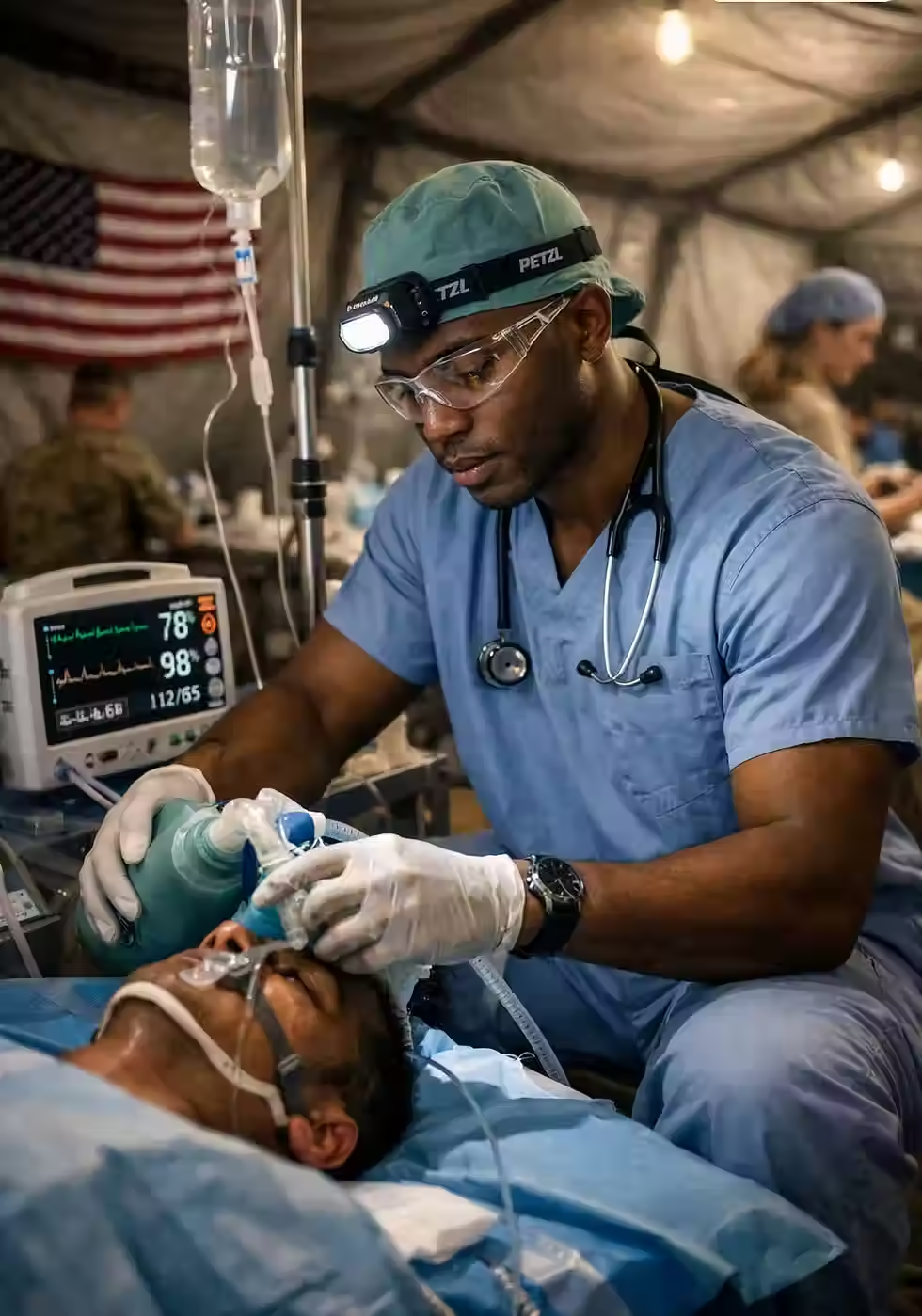


Your background as a US Air Force Reservist and flight nurse in combat zones is highly compelling. It demonstrates resilience, autonomy, and the ability to perform under extreme pressure. Experience in PACU and ICU, combined with independent pain management during aeromedical evacuations, shows strong preparation for anesthesia training. You articulate well why CRNA is the “optimum way forward”—prestige, autonomy, technical challenge, and patient advocacy. This shows thoughtful career planning. You acknowledge the rigor of CRNA training and emphasize readiness, which reassures admissions committees of your seriousness. Highlighting your Caribbean heritage and diverse experiences adds depth and positions you as someone who brings cultural competence to the program. You reference employer feedback and the caliber of graduates from the program, showing…